Is It Time to Remove Your Park Strip Grass in Salt Lake City?
If your park strip looks tired every July, you are not alone. That narrow stretch of grass between the sidewalk and the road takes more abuse than anywhere else on your property. Heat reflects off concrete and asphalt. Snow gets piled on it in winter. Dogs use it year-round. And somehow, it is still expected to stay green.
For many Salt Lake City homeowners, the real question is no longer how to fix their park strip grass. It is whether it makes sense to keep it at all.
Why park strip grass constantly fails in Utah heat
Park strips are one of the hardest places to grow turf in Utah.
-
- Heat reflection – Concrete sidewalks and asphalt roads radiate heat directly into the soil.
- Shallow soil – Many park strips were built with minimal topsoil over compacted subgrade.
- Snow and salt damage – Winter plows and de-icing products stress the root system.
- Foot traffic and pets – Constant use prevents turf from fully recovering.
- Inconsistent irrigation – Narrow zones are difficult to water evenly without overspray.
By mid-summer, even well-maintained park strips often turn thin, patchy, or completely brown. Homeowners respond by increasing watering, which leads to runoff into the street and higher water bills.
At some point, it becomes a cycle: water more, mow more, fertilize more, and still fight the same results every year.
Water restrictions and wasted irrigation
In Salt Lake County, outdoor water use makes up a significant portion of summer consumption. Narrow park strips are one of the least efficient areas to irrigate.
Spray heads often:
-
- Overshoot onto sidewalks and streets
- Miss sections of turf due to tight spacing
- Create runoff on compacted soil
When watering restrictions tighten during drought years, park strips are usually the first areas to decline. They simply are not designed for long-term water efficiency.
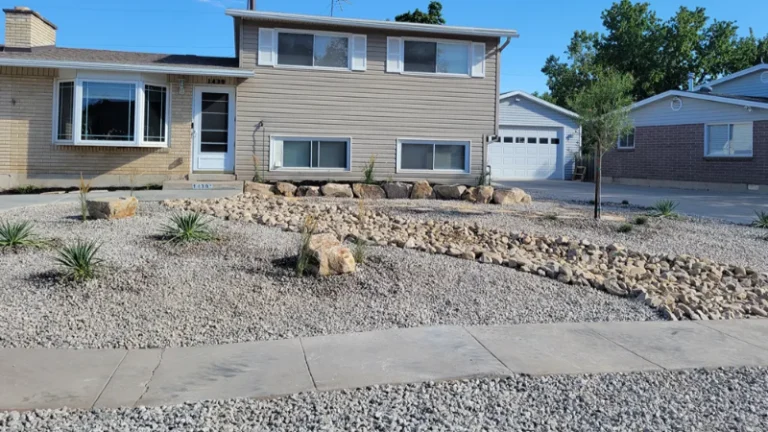
This is exactly why programs like Flip the Strip encourage homeowners to remove unused turf in these narrow spaces and replace it with water-wise landscaping.
City considerations before removing park strip grass
Before you remove your park strip lawn, it is important to understand local requirements.
Most cities in the Salt Lake City area allow turf removal, but may require:
-
- Minimum plant coverage percentages
- Height restrictions near driveways and intersections
- Drip irrigation instead of spray heads
- Defined edging and finished appearance standards
If you are applying for a rebate, approval often needs to happen before grass is removed. Skipping that step can disqualify the project from incentive funding.
A professional contractor should be familiar with local municipal guidelines and help you navigate those details.
What a professional park strip conversion includes
Converting a park strip properly is more than just digging out grass and filling it with rock.
A typical professional conversion includes:
-
- Complete turf removal – Sod is cut and hauled off to prevent regrowth.
- Grade adjustment – Soil is lowered to allow for mulch depth while maintaining proper drainage.
- Irrigation conversion – Spray heads are removed or converted to drip with pressure regulation and filtration.
- Soil preparation – Compacted soil is loosened and amended where necessary.
- Structured planting layout – Plants are spaced based on mature size, not just how they look at installation.
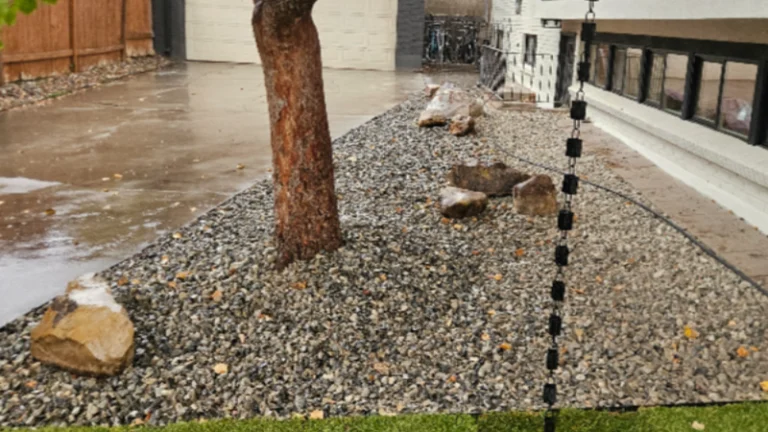
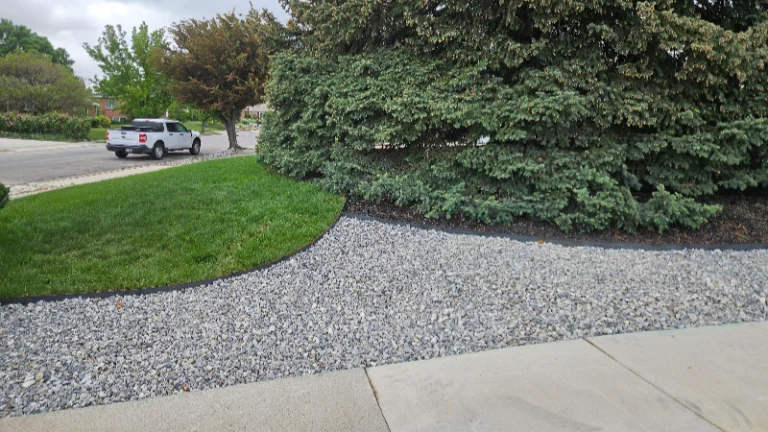
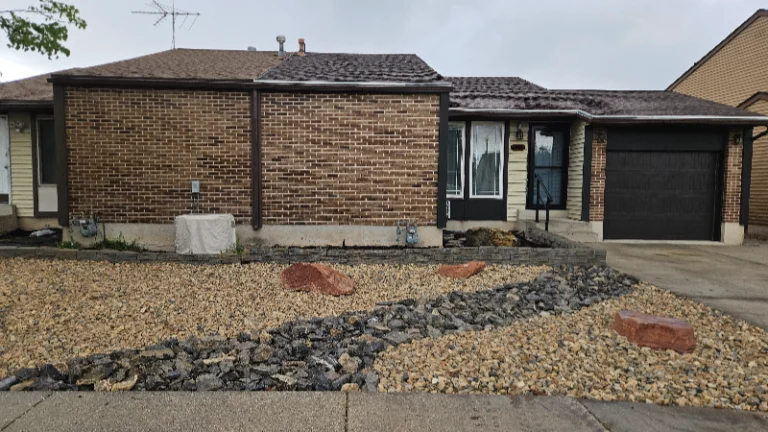
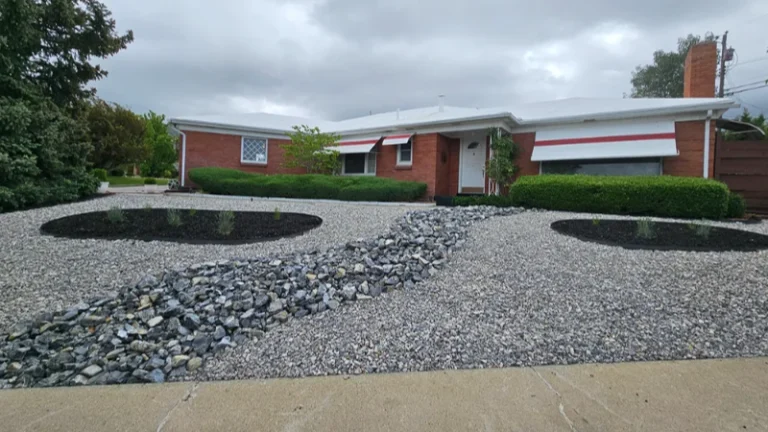
- Finished mulch or decorative rock – Installed cleanly with defined edges.
The goal is to create a space that looks intentional from day one and improves as plants mature. A properly built park strip should feel like an extension of the landscape, not an afterthought.
Design options that look clean and intentional
One of the biggest concerns homeowners have is curb appeal. No one wants their front yard to look unfinished or neglected.
Strong park strip designs often include:
-
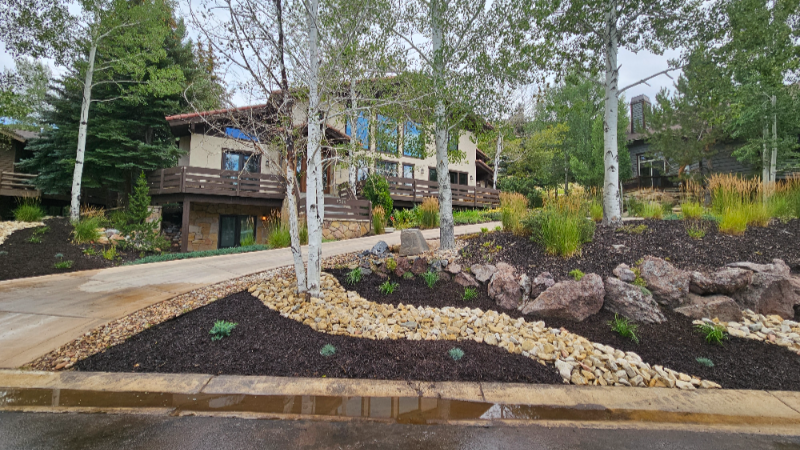
- Low ornamental grasses for movement
- Drought-tolerant perennials for seasonal color
- Compact shrubs spaced evenly for structure
- Repeating plant patterns for a clean, organized look
- Defined edging between planting beds and sidewalk
When designed well, a converted park strip can actually improve curb appeal compared to struggling turf. It creates visual structure instead of patchy green strips that never fully recover.
Is it time to remove your park strip grass?
If your park strip requires constant watering, looks thin every summer, or costs more to maintain than it is worth, it may be time to consider conversion.
For many homeowners in Salt Lake City, Sandy, Draper, and surrounding communities, removing park strip grass is one of the most practical landscape upgrades they make. It reduces water use, lowers maintenance, and solves a recurring problem area.
Proudly serving the Salt Lake City area
We design and install park strip conversions throughout:
-
- Salt Lake City
- Sandy
- Draper
- South Jordan
- West Jordan
- West Valley City
- Cottonwood Heights
- Millcreek
- Herriman
- Riverton
You can review our full coverage area on our service area page.
Schedule a park strip evaluation
If you are tired of fighting your park strip every summer, we can help you evaluate whether conversion makes sense for your property. We will assess grading, irrigation, plant options, and rebate eligibility, and provide a clear scope of work.
Contact SLC Lawn Services today to schedule your consultation. Let’s turn your most frustrating strip of grass into a finished, water-wise landscape feature.