Signs It’s Time For A Drought-Tolerant Landscape
There was a time when having a full green lawn just felt standard. It was what you did. Seed it, water it, mow it, repeat. But for many homeowners in the Salt Lake City area, that routine has started to feel less practical and more exhausting.
If you find yourself constantly fighting your grass instead of enjoying your yard, it may be time to step back and ask a simple question: does turf still make sense for this property?
At SLC Lawn Services, we work with homeowners every season who reach that turning point. Below are the most common signs that it may be time to consider a drought-tolerant landscape.
1. You are reseeding the same areas every year
Thin patches. Burned edges. Dead spots near sidewalks. If you are overseeding every spring and again in the fall just to keep things presentable, that is usually a sign the site conditions are working against you.
In Utah, common problem areas include:
-
- South- or west-facing slopes
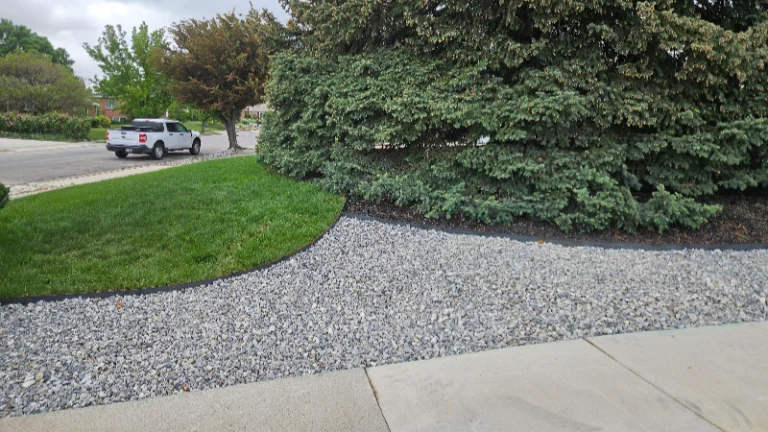
- Park strips between sidewalk and street
- Shallow soil over compacted subgrade
- High-traffic zones from pets or kids
If the grass cannot survive without constant intervention, it may not be the right material for that space.
2. Your water bills keep climbing
Outdoor irrigation makes up a large portion of summer water use in Salt Lake County. When turf struggles, the first instinct is to water more.
More frequent watering might green things up temporarily, but it also leads to:
-
- Higher monthly utility bills
- Runoff into sidewalks and streets
- Shallow root growth
Drought-tolerant landscapes are designed differently. They rely on hydrozoned drip irrigation, deeper root systems, and plant selections that can handle Utah’s heat without daily watering.
If you feel like you are paying more each year just to keep the lawn alive, that is a strong signal something needs to change.
3. You are constantly repairing your irrigation system
Broken spray heads. Sunken nozzles. Uneven coverage. Overspray hitting the driveway. Narrow lawn areas are notoriously difficult to irrigate efficiently.
Traditional spray systems:
-
- Waste water on hard surfaces
- Struggle in tight spaces
- Create inconsistent coverage
If you are repairing heads every season and still dealing with dry spots, converting problem turf areas to drip-irrigated planting beds can eliminate that frustration entirely.
4. You have ongoing drainage problems
Grass often hides grading issues until they become serious. Pooling water, soggy soil, or runoff toward the house are not just lawn problems. They are site problems.
In many cases, converting to a drought-tolerant landscape allows us to:
-
- Regrade problem areas
- Lower soil levels to improve slope
- Install proper drainage solutions
- Use mulch and plant structure to slow and absorb runoff
If you are fighting standing water every spring or after heavy irrigation cycles, the issue is bigger than grass type.
5. Weekly maintenance feels endless
Mow. Edge. Fertilize. Weed. Adjust sprinklers. Repeat.
A traditional lawn requires consistent weekly maintenance during the growing season. If your yard feels like a chore list instead of a place to relax, this can help.
A well-designed drought-tolerant landscape still requires care, but the maintenance shifts. Instead of mowing every week, you focus on seasonal pruning, light weeding, and irrigation adjustments. The workload becomes predictable rather than constant.
6. Your HOA expects curb appeal, but turf is failing
Many homeowners associations require front yards to look clean and maintained. Brown grass, patchy reseeded areas, and visible irrigation runoff can quickly draw attention.
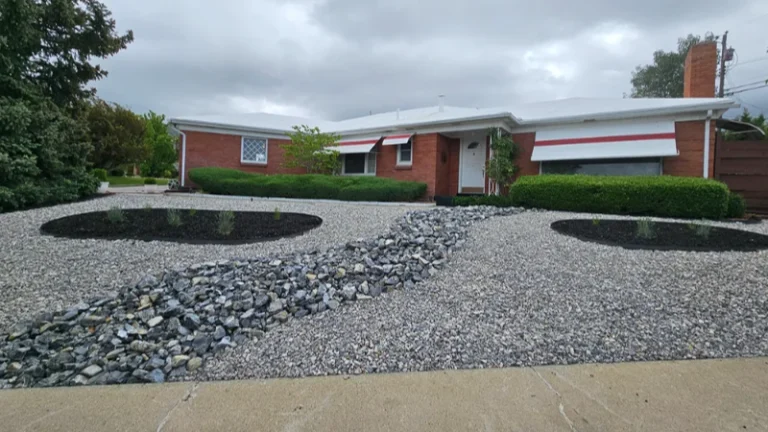
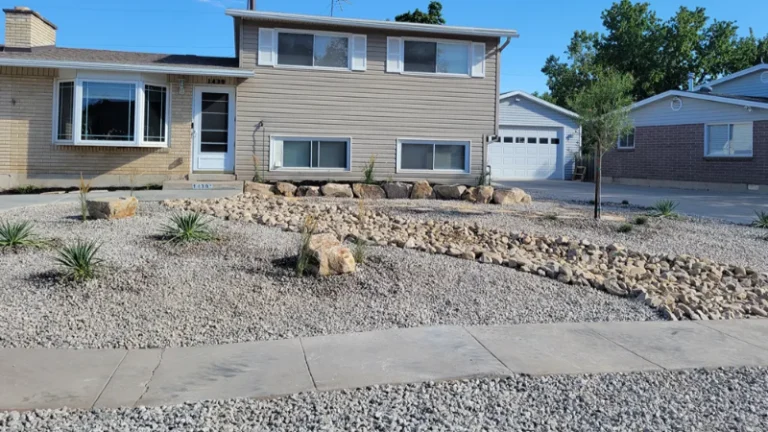
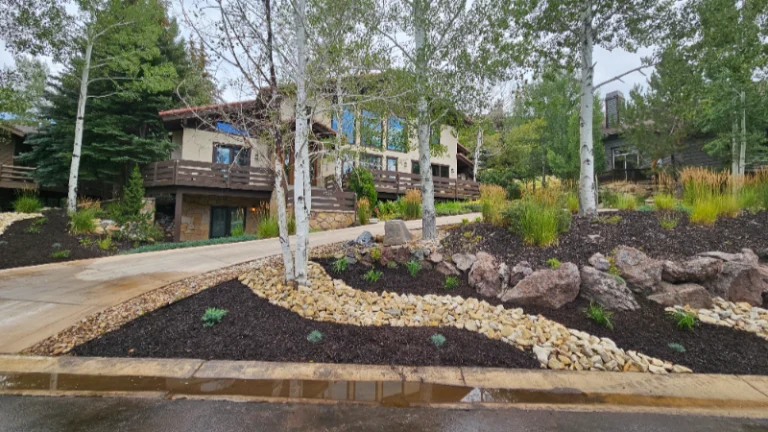
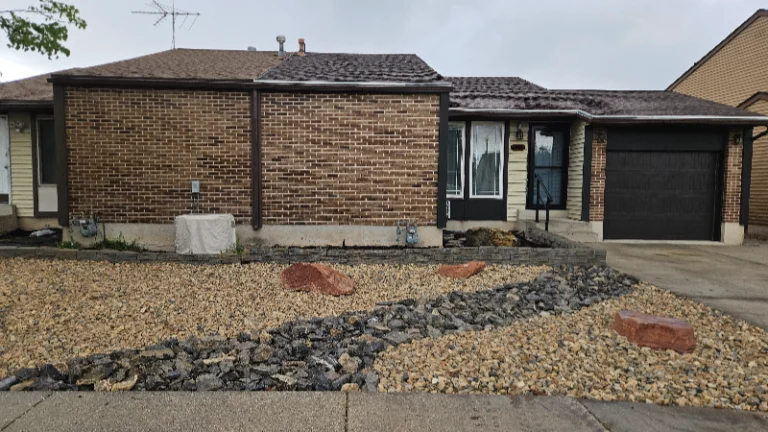
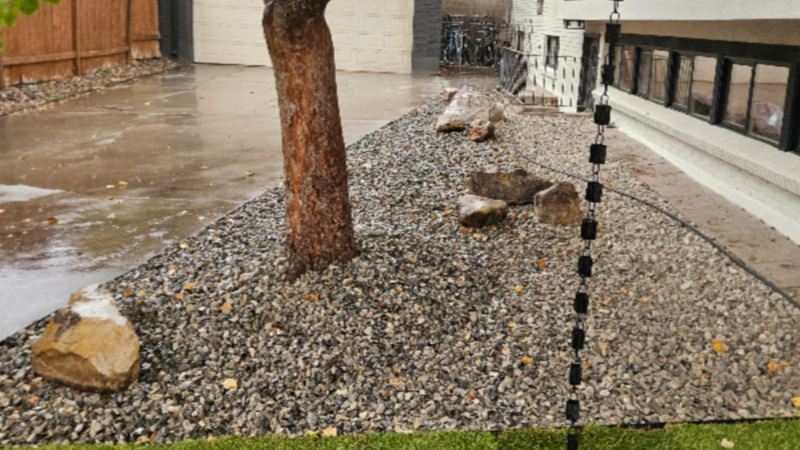
The good news is that drought-tolerant landscapes can absolutely meet HOA standards when designed correctly.
Strong designs typically include:
-
- Layered plant structure with shrubs and ornamental grasses
- Defined bed lines and clean edging
- Intentional spacing and repetition
- Balanced mulch or decorative rock
When done well, a water-wise landscape often looks more intentional and higher-end than struggling turf.
When grass stops making sense
Grass is not inherently bad. It makes sense in areas where it is used for recreation or open play space. But when large portions of your yard exist purely out of habit, it is worth rethinking.
If you are dealing with constant reseeding, rising water bills, irrigation repairs, drainage issues, and ongoing maintenance pressure, a drought-tolerant landscape is not just a trend. It is a practical solution.
Proudly serving the Salt Lake City area
We design and install drought-tolerant landscapes throughout:
-
- Salt Lake City
- Sandy
- Draper
- South Jordan
- West Jordan
- West Valley City
- Cottonwood Heights
- Millcreek
- Herriman
- Riverton
You can review our full coverage area on our service area page.
Ready to talk through your options?
If your lawn feels like more work than it is worth, we can walk your property and help you evaluate realistic alternatives. We will assess grading, irrigation, plant strategy, and budget range so you can make an informed decision.
Contact SLC Lawn Services today to schedule your landscape consultation. Let’s design a yard that fits Utah’s climate and works for your lifestyle.